
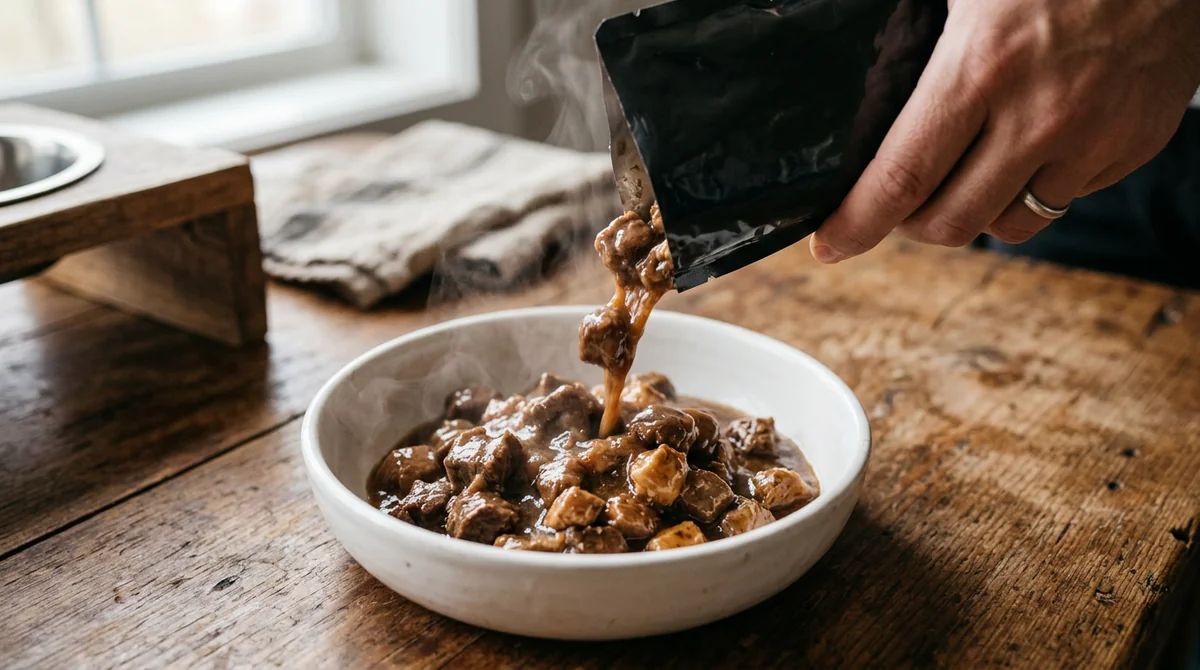
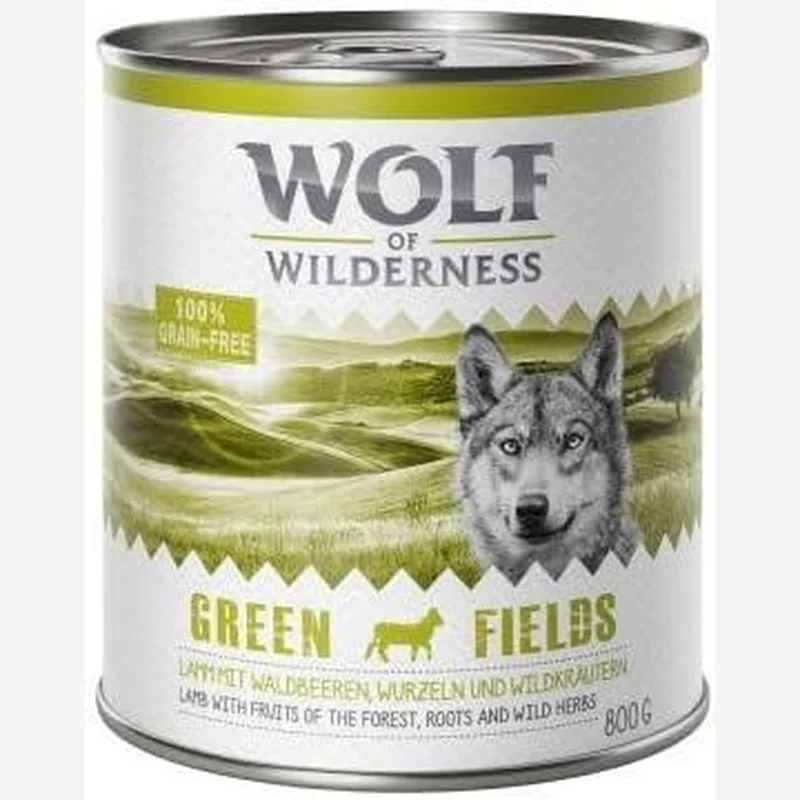
When owners first meet our soft food range, they often describe it as "proper dog-friendly home cooking". The pouches lift the lid on a rich, aromatic recipe that looks and smells like something you might ladle out of a slow cooker. It's exactly the kind of meal a wolf would settle down to after a successful hunt — meat-first, tender, warm and satisfying.
Why Choose Soft Food?
Soft and semi-moist diets have a number of practical advantages that make them particularly popular with certain groups of dogs. The higher water content (often around 70–75%) supports hydration, which is especially helpful for dogs that don't drink enough on their own. The soft texture is gentle on teeth, making it ideal for puppies still developing their bite, for older dogs who have lost a tooth or two, and for any dog recovering from dental work.
Flavour is the other big factor. With up to 66% meat content and natural gravy, the soft range is intensely appetising. Fussy eaters, stressed rescues or dogs recovering from illness often tolerate a soft recipe when they refuse kibble. Many owners also use a spoonful of pouch food as a "topper" on dry kibble to encourage reluctant dogs to finish their bowl.
Flagship Soft Recipes
Soft & Strong — Turkey
A lean option built around turkey. Turkey is low in fat, easy to digest and often well tolerated by dogs with tummy troubles. This recipe is a common starting point for owners exploring the soft range.
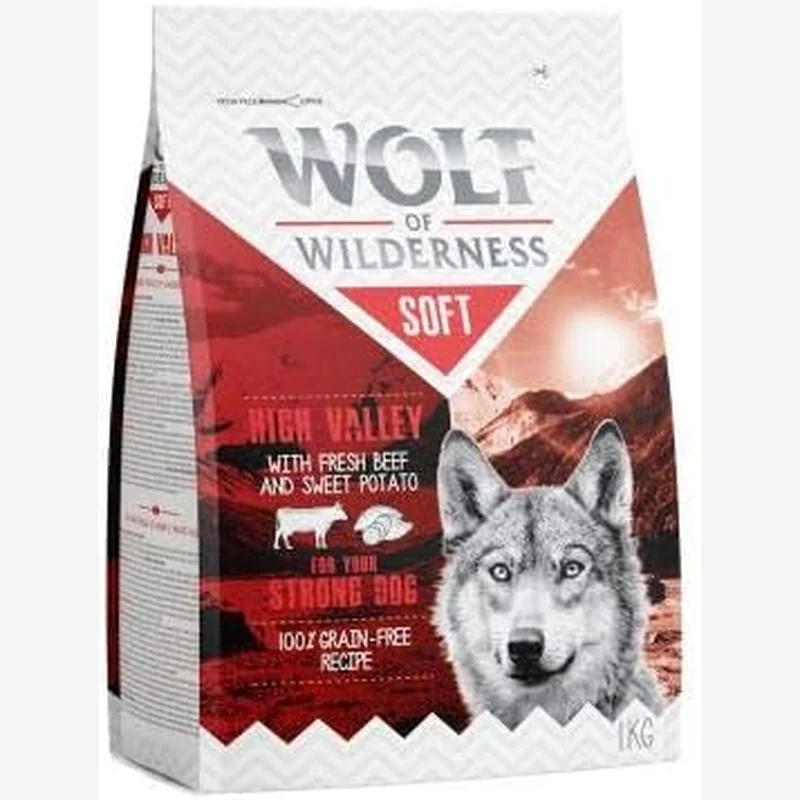
Soft & Strong — Beef
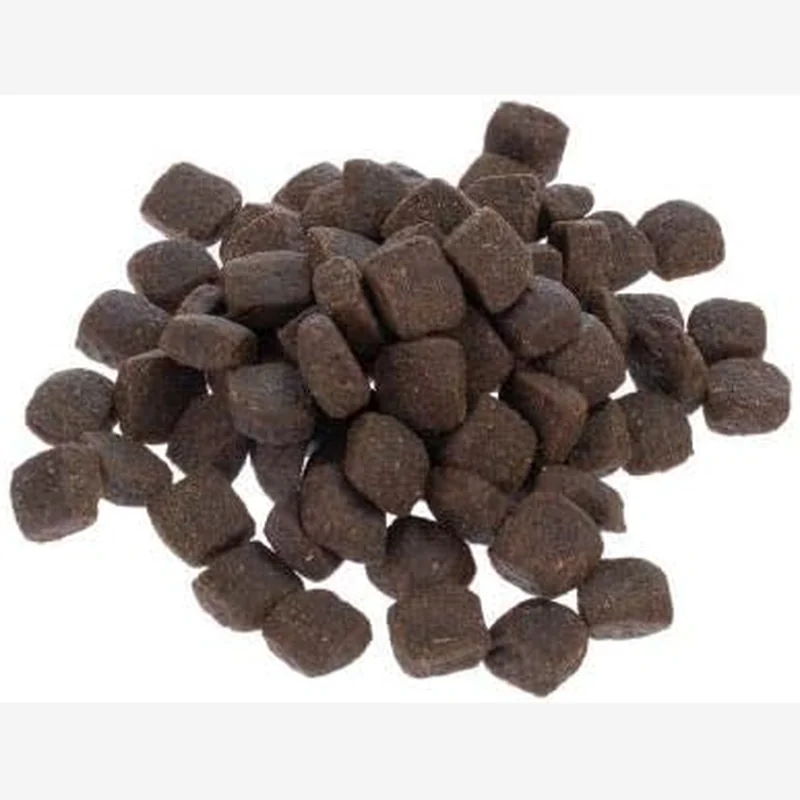
Hearty and iron-rich, this beef recipe delivers a classic, dog-pleasing flavour. Excellent for active breeds and for dogs in the colder months when a more warming meal is welcome.
Soft & Strong — Duck & Veal
A premium blend combining two easily digestible meats with a subtle savoury profile. Suits dogs exposed to common proteins elsewhere in their diet and adds protein variety when rotating recipes.
Pouch Menus — Mixed Flavours
Multipack pouches allow you to alternate between proteins daily, which dogs appreciate and which can also support gut diversity. Popular combinations include chicken with cranberries, venison with lingonberries, and salmon with wild herbs.
The Ingredients Behind the Gravy
Just like the dry range, the soft recipes are grain-free and gluten-free. Carbohydrates come from small amounts of potato; the gravy thickens naturally as the pouch cooks. You'll also find:
- Forest berries — cranberries, blueberries and raspberries for antioxidants
- Dandelion root and nettle — traditional botanicals for gentle digestive and urinary support
- Yarrow — a classic European herb for the stomach
- Salmon oil — omega-3 fatty acids for coat and joints
No artificial colours, flavours or preservatives are used. The pouches are heat-sealed at the factory, which means they are shelf-stable until opened.
How to Serve Soft Food
Pouches can be served three ways: as a full meal, as a topper, or in a mixed-feeding plan alongside our dry kibble. Full-meal feeding typically requires two to three pouches a day depending on size — consult our feeding guide for precise portions. As a topper, a spoonful over kibble can transform bowl appeal overnight. Mixed feeding blends the benefits of both formats: dental support from kibble, hydration and appetite-stimulation from pouches.
Serve at room temperature or gently warmed in the bowl for a few seconds if your dog enjoys a warmer meal. Avoid using a microwave container with metal lids or seals. Any pouch leftovers can be covered and refrigerated for up to 48 hours.
Who Benefits Most from the Soft Range
- Senior dogs with dental wear or reduced appetite
- Picky eaters who turn their nose up at kibble
- Dogs recovering from illness or surgery
- Small breeds that struggle with larger kibble pieces
- Active working dogs needing extra calories after long days
- Dogs who need encouragement to drink more water
Storage and Shelf Life
Unopened pouches can be stored in a cool, dry cupboard until the best-before date printed on the foil. Once opened, treat them like any cooked meat: refrigerate and use within 48 hours, or freeze for up to a month. Dispose of any meal left in the bowl for more than an hour in warm weather.
Thinking About a Mixed-Feeding Routine?
Combining dry kibble with soft pouches is one of the most popular feeding approaches among Wolf of Wilderness owners. It provides the dental advantages of kibble with the palatability and hydration of pouches. Typical splits range from 70% dry / 30% wet for high-energy adults to 50/50 or more wet for seniors and picky eaters. Pair your choice with our dry food range and browse the reviews from owners who have already made the switch.