
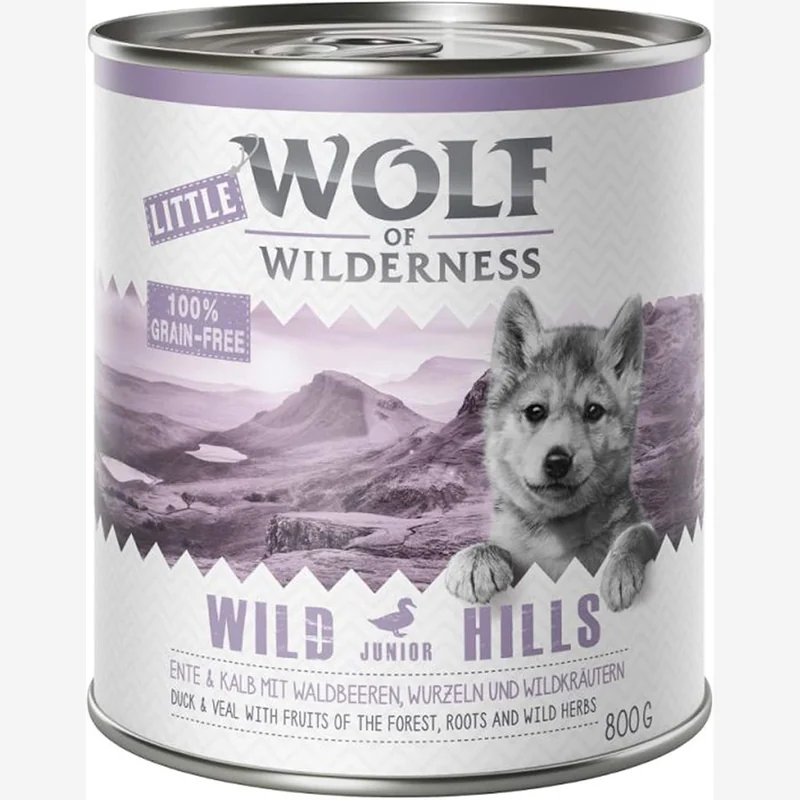
The "junior" stage is often overlooked, but it is one of the most transformative phases in a dog's life. Somewhere between six months and a year and a half, your puppy becomes a young adult. Bones are finishing their growth, muscles are filling out, training is locking in, and hormones are surging through the body. A diet tuned precisely to this phase — not puppy, not yet adult — helps dogs finish their development smoothly and avoid the pitfalls of over- or underfeeding.
Why a Junior Formula Matters
Adolescent dogs are still growing, but at a slower pace than puppies. Feeding adult food too early risks short-changing bone and joint development; staying on puppy food too long risks excess calories, early weight gain and stress on developing joints. Our Junior recipes sit in the middle — still protein-rich, still supplemented with DHA, still balanced in calcium and phosphorus, but with a carefully adjusted calorie density that fits a slowing growth curve.
- Protein target: 30%+ for continued muscle development
- Moderated fat content to avoid adolescent weight gain
- DHA and EPA from salmon oil for late-stage cognitive development
- Chondroitin precursors supporting joint cartilage
- Prebiotics and fibre for digestive stability
Our Junior Recipes
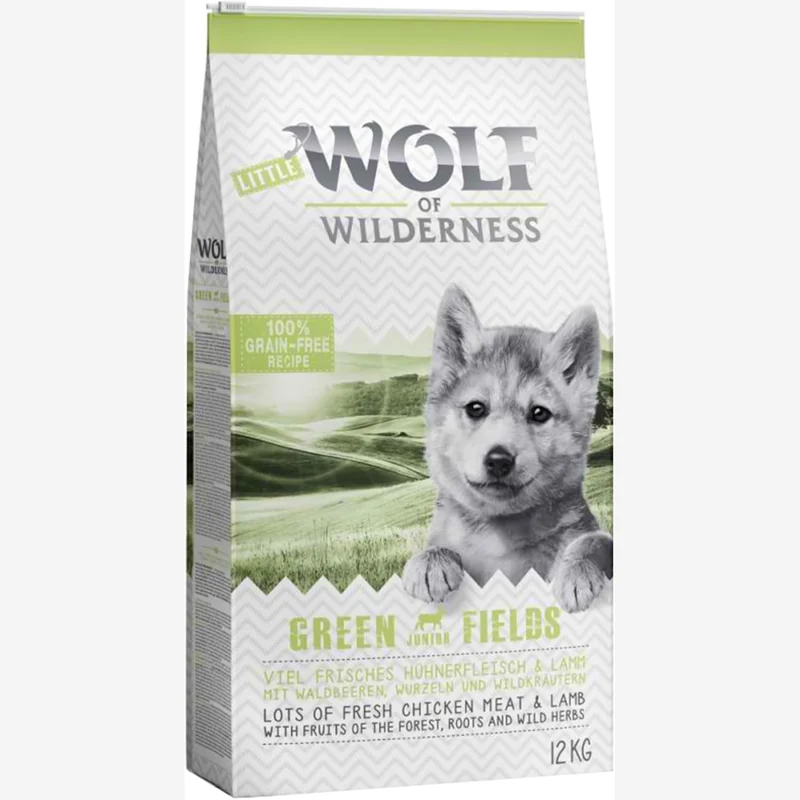
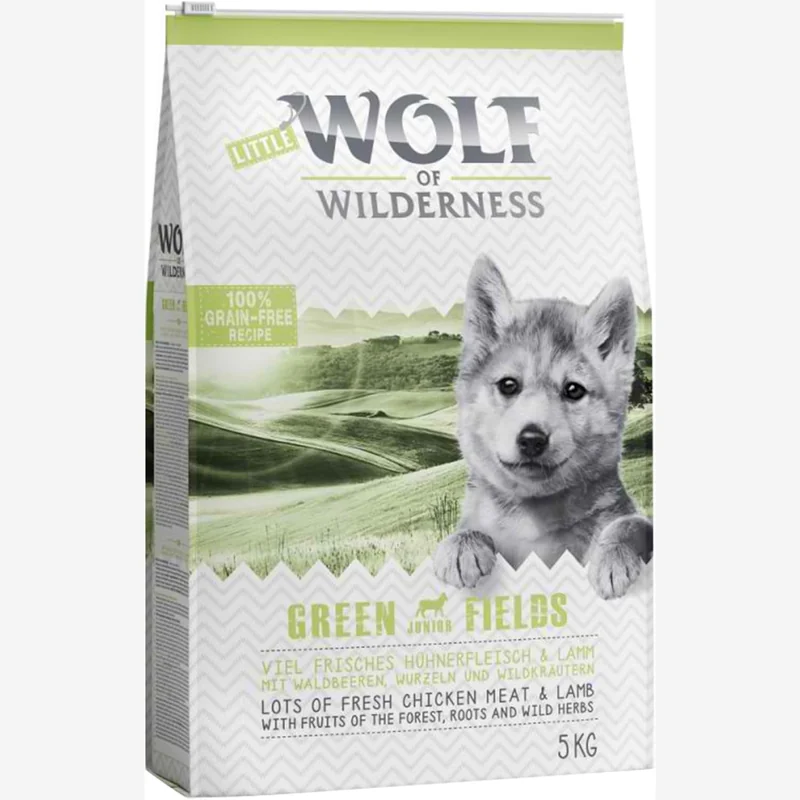
Green Fields Junior — Lamb
Our flagship junior recipe built around pasture lamb. Lamb is iron-rich and offers steady, non-stimulating energy — ideal for active adolescent dogs who need fuel without fizz. Cranberries and dandelion support immunity and digestion.
Wide Acres Junior — Chicken
Fresh chicken remains the most widely tolerated protein, and our junior chicken recipe is the most popular choice for medium breeds coming off our puppy range. Easy to digest and consistent in quality.
Blue River Junior — Salmon
For adolescents showing any skin or coat sensitivity, the salmon recipe delivers omega-3 fatty acids alongside high-quality fish protein. Particularly suited to breeds with dense or feathered coats that benefit from oily fish.
Junior Large Breed
Large and giant breeds continue growing well into their second year. Our Large Breed Junior recipe is tailored to maintain a slow, steady growth curve, with slightly lower fat and carefully moderated minerals to protect developing hips and elbows.
When to Switch from Puppy to Junior
The right time depends primarily on breed size:
- Small breeds (under 10 kg adult): switch at 6 months
- Medium breeds (10–25 kg adult): switch at 8–10 months
- Large breeds (25–40 kg adult): switch at 12 months
- Giant breeds (over 40 kg adult): stay on puppy/junior-large-breed until 18–24 months
Use body condition as your secondary guide. Ribs should be easily felt but not visible, waist should be clear when viewed from above, and energy should be steady rather than manic. If any of those are off, consult your vet before making the switch.
How to Transition
Follow the same seven-day transition we recommend for any dietary change. Because you're moving between two Wolf of Wilderness recipes, the change is usually smooth — but adolescent digestive systems can still react. If stools soften, extend the transition by a few days. If appetite dips, a small soft pouch on top of the kibble (see our soft range) can bring enthusiasm back.
Feeding Guidelines for Adolescents
Junior dogs typically eat two to three meals a day. Two meals is the standard once you pass the 9–10 month mark. Split the daily ration evenly between meals, weighing portions for the first month on any new recipe.
Here is a rough daily allowance guide for junior recipes (always check the specific bag for precise portions):
| Expected Adult Weight | Daily Ration (g) | Meals per Day |
|---|---|---|
| 5 kg | 90–110 g | 2 |
| 10 kg | 150–190 g | 2 |
| 20 kg | 260–320 g | 2 |
| 30 kg | 340–420 g | 2 |
| 40 kg | 430–520 g | 2 |
Training, Treats and Body Condition
Adolescence is prime training time, and training usually means treats. Keep treats to no more than 10% of daily calories and choose low-fat, single-ingredient options where you can. If you use a lot of treats on a given day, subtract the equivalent from the bowl at dinner. Weigh your dog monthly and adjust portions to maintain a lean body condition score — this simple habit is one of the most reliable predictors of a long, healthy life.
Moving on to Adult Food
Somewhere between 12 and 18 months (up to 24 months for giant breeds), your dog will be ready to transition to our full adult dry range. The change usually runs smoothly because recipe philosophy, ingredient quality and digestibility are consistent across the brand. Browse the reviews to see how other UK owners have managed the junior-to-adult transition.